

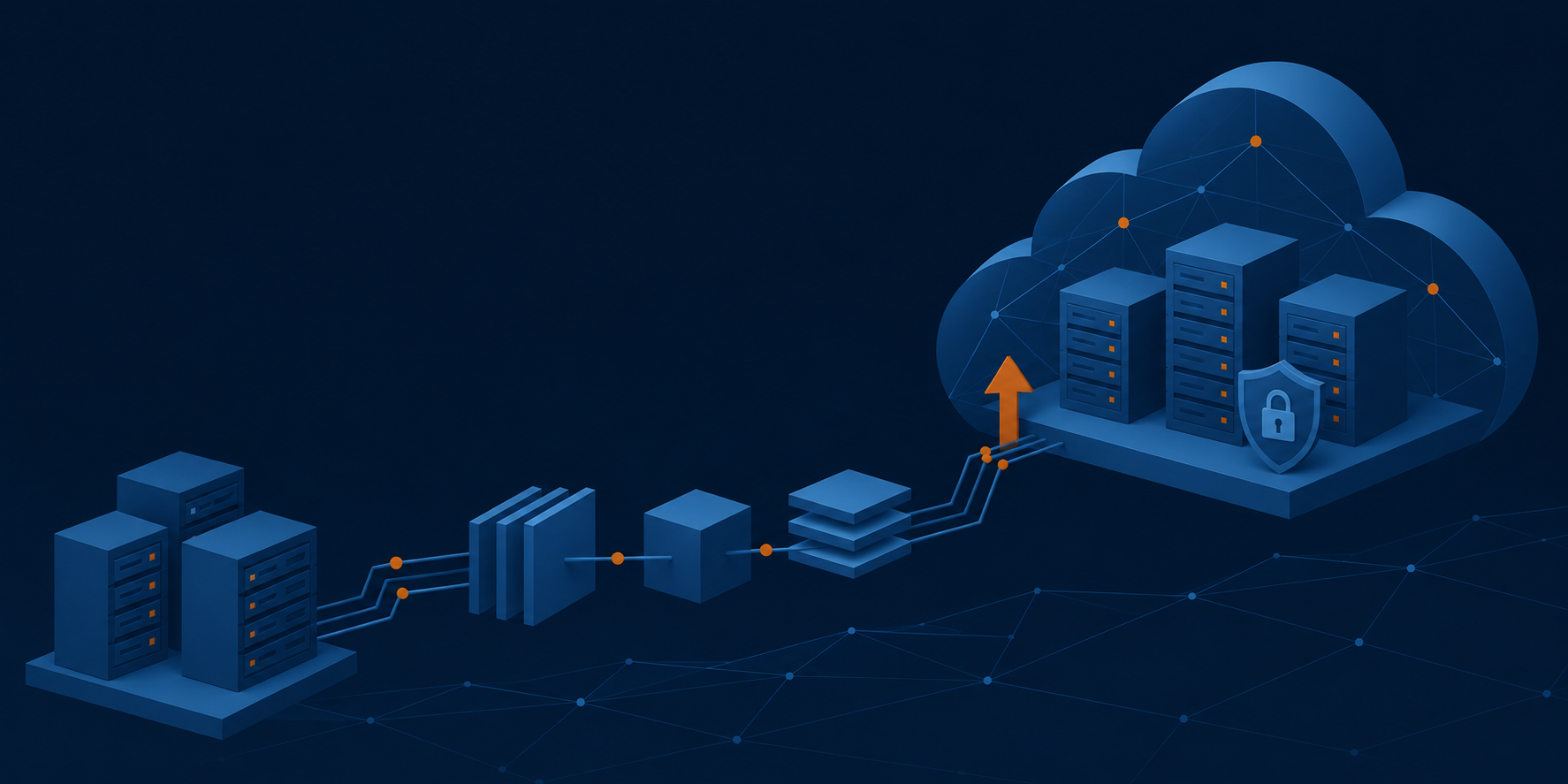
The shift towards cloud computing in healthcare and energy is accelerating due to the pressing need for data unification and stringent regulatory compliance. Disparate legacy systems often hinder real-time reporting and operational visibility, forcing institutions to rely on inefficient manual processes. Moving beyond these constraints requires a disciplined approach to enterprise resource planning migrations.
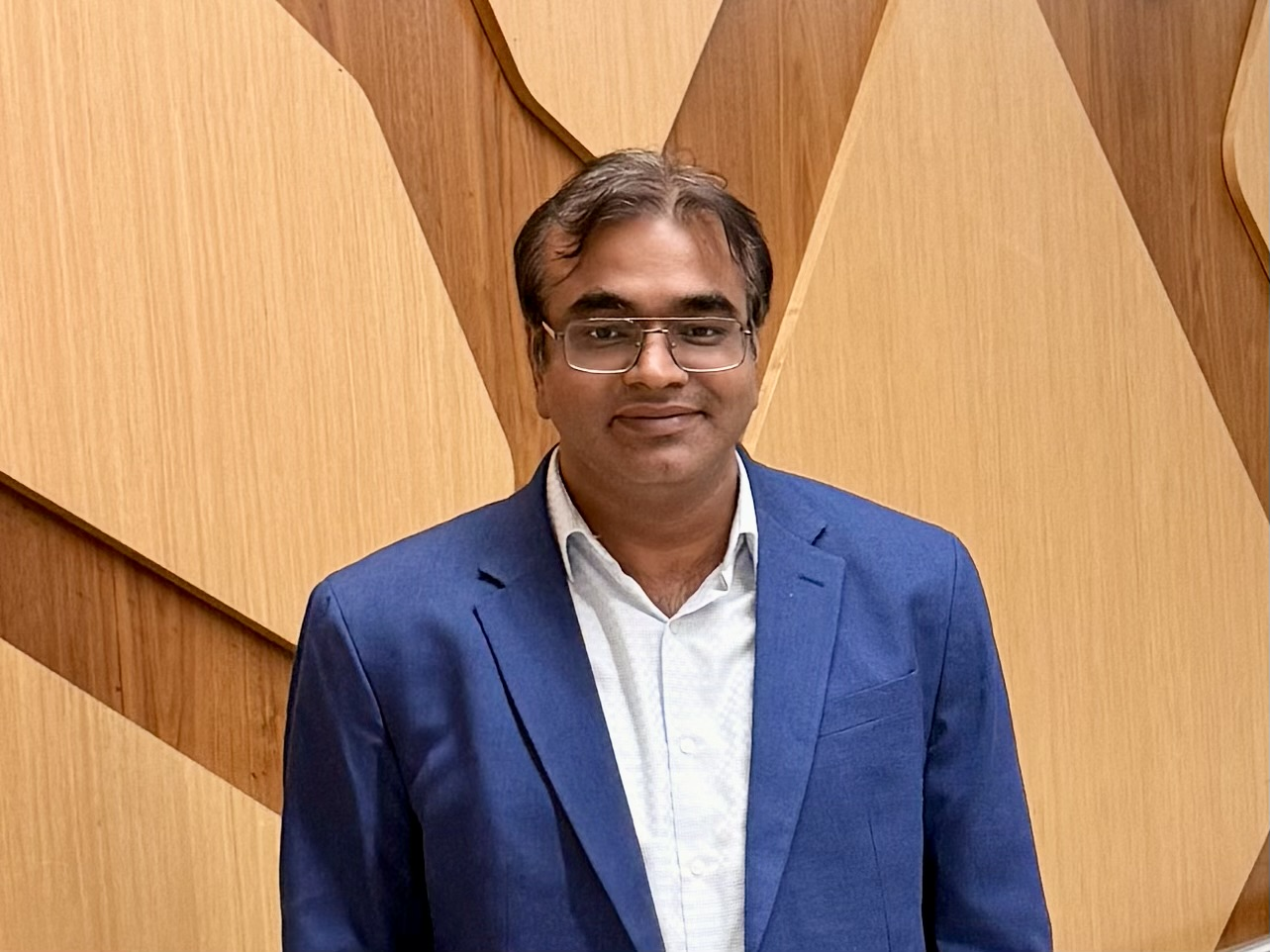
Strategic transformations rely heavily on foundational planning and architectural precision to minimize operational disruption. Saurabh Goel, a Principal Enterprise Architect, focuses on orchestrating these complex transitions by bridging legacy environments with advanced platforms. His extensive experience provides a detailed blueprint for managing the multifaceted risks associated with digital modernization.
The modernization of financial structures demands a meticulous balance between introducing innovative technology and preserving essential regulatory safeguards. Organizations must carefully navigate the complexities of data migration, ensuring that vital records are not compromised during the transition. Establishing a canonical framework early in the lifecycle helps mitigate the common pitfalls that plague large-scale integrations.
Targeting legacy integration architecture
Assessing the existing infrastructure is a critical prerequisite before moving complex financial models to the cloud. Overlooking this foundational phase can lead to significant setbacks and systemic failures across operational departments. Historical precedents demonstrate these risks clearly, particularly when a manual supply chain data migration lacks accuracy.
Organizations must comprehensively map all upstream and downstream dependencies to prevent critical service interruptions during the transition. Saurabh notes, "The first and most important step I take is establishing a clear target-state architecture and integration blueprint." Building a resilient technical foundation requires a meticulous evaluation of current data structures and historical software customizations.
"Rather than simply lifting and shifting, I analyze data structures, quality issues, and ownership along with customizations and heavily used legacy logic," explains Saurabh. This rigorous evaluation ensures that existing inefficiencies are decisively retired rather than carried forward into the new environment. Modern architectures subsequently replace outdated logic with a comprehensive ELT framework that standardizes the flow of enterprise information.
Bridging complex financial operations
Reconciling disparate operational platforms often demands a layered transformation strategy rather than a direct, simplistic data transfer. Legacy environments frequently rely on highly customized, fragmented processes that obscure real-time visibility and complicate intercompany accounting. Implementing advanced systems like Oracle EBS/ERP Financials requires a canonical data model that naturally aligns with standard accounting frameworks.
Saurabh states, "The breakthrough came when we tackled the challenge of bridging legacy financial data structures with Oracle’s standardized accounting model." By establishing controlled integration pipelines, engineering teams can validate complex information well before it reaches the final database. This parallel processing approach lets organizations incorporate machine learning-driven anomaly detection that highlights discrepancies in real time.
Leveraging reconciliation dashboards allows financial departments to compare legacy outputs against cloud-generated data without disrupting ongoing operations. "What was previously a heavily manual, error-prone close process is becoming significantly faster and more predictable," Saurabh adds. Using this technological bridge as a central control point ultimately improves underlying data governance and drives overall operational efficiency.
Navigating strict regulatory compliance
Implementing enterprise solutions within heavily regulated sectors introduces distinct hurdles that go far beyond standard software deployment. Success in these high-stakes environments requires specialized technical backgrounds and a deep understanding of enterprise architecture systems. Regulatory complexity must be treated as a primary design input so that industry-specific rules shape accounting logic and reporting structures.
"Working across healthcare, energy, and telecom, I’ve consistently seen that modernization isn’t just a technology shift—it’s a compliance-sensitive transformation," says Saurabh. To maintain end-to-end auditability, cloud systems must enforce stringent data lineage and uncompromising reconciliation checkpoints. Technical experts frequently implement structured data strategies, such as a Medallion architecture, to establish reliable information flows while preserving strict security protocols.
Decoupling the integration architecture prevents future capability enhancements from inadvertently compromising core compliance requirements. “Organizations must replace rigid legacy dependencies with API-led, middleware-driven integrations that can adapt without breaking compliance flows," Saurabh observes. Executing controlled transformations via phased rollouts ultimately protects ongoing business operations while successfully achieving system standardization.
Balancing security and scalability
Real-time data processing relies heavily on separating ingestion mechanisms from consumption platforms to maintain high performance without compromising safety. Integrating robust database solutions requires practical experience spanning complex data lakes to securely handle massive streaming pipelines. Architecting a secure environment necessitates embedding identity controls, encryption standards, and audit logging directly into the core data architecture.
Saurabh notes, "Balancing strong security with scalable, real-time intelligence in mission-critical environments comes down to architecting both as complementary—not competing—capabilities." Embedding context-aware access directly into the ecosystem prevents unauthorized visibility while still allowing developers to appropriately explore and run AI code on designated datasets. "Instead of restricting data broadly, I enable fine-grained access controls, so users only see what they’re authorized to," Saurabh explains.
Implementing continuous monitoring protocols allows enterprise systems to detect unusual access patterns or integration failures without artificially slowing down daily operations. This decoupled framework guarantees that overarching governance policies remain consistently enforced across all distributed system layers. Optimizing performance through efficient caching strategies and event-driven architectures keeps security perimeters intact.
Automating core business processes
Widespread reliance on manual validation limits operational scalability and delays the delivery of crucial financial metrics to organizational leadership. Legacy workflows inherently struggle to manage growing transaction volumes, ultimately resulting in a heavily fragmented approach to cash forecasting and reconciliation. "The finance department was dealing with fragmented processes across planning, reconciliation, and cash forecasting, supported by multiple systems like Oracle Fusion, Coupa, and legacy/manual workflows," Saurabh recalls.
Centralizing these disparate workflows involves deploying intelligent software platforms capable of automatically generating conversational insights and autonomous anomaly detection. This unified ecosystem approach facilitates continuous planning through event-driven predictions, effectively replacing outdated operational methods. Standardizing data orchestration fundamentally changes how enterprise departments function daily.
"The biggest shift was moving finance from a transaction-processing function to an insight-driven organization where teams spent less time on manual tasks and more on strategic analysis," states Saurabh. Cash forecasting evolves into a predictive, data-driven capability rather than a reactive one. Operating risk is substantially reduced when automation is paired with consistent, system-wide controls.
Embedding compliance into architecture
Creating sustainable cloud solutions means prioritizing governance mechanisms from the very beginning of the architectural design phase. Treating complex regulatory demands as foundational architectural inputs ensures that innovation does not inadvertently create downstream vulnerabilities. "I treat regulatory requirements as core architectural inputs, embedding them into data models, workflows, and controls rather than layering them afterward," notes Saurabh.
Decoupling core enterprise processes allows newly introduced external capabilities to interface securely without exposing the primary regulated system. A strong analytical foundation in planning ensures that modern architecture remains adaptable to shifting global regulations. Establishing a singular, governed data foundation guarantees strong lineage and access controls while still facilitating rapid operational analytics.
"My approach is to create architectures where compliance, scalability, and innovation coexist—so organizations can evolve quickly without compromising regulatory integrity or operational stability," affirms Saurabh. Building inherent resilience into the overarching design ensures that financial applications remain continuously available even during unexpected digital disruptions. By embedding these principles, institutions avoid critical compliance failures during complex upgrades.
Securing stakeholder and team alignment
Migrating sprawling legacy platforms is as much about managing human expectations and communication as it is about deploying new software. Building consensus across operational departments is a standard discipline for leaders managing major corporate shifts. Translating highly technical cloud blueprints into understandable business outcomes helps secure vital early alignment among key project stakeholders.
"I start by translating the cloud transition into clear business value—cost optimization, faster close cycles, better compliance, and improved visibility," explains Saurabh. Educating cross-functional partners on specific system capabilities effectively eliminates miscommunication and establishes a robust, shared governance framework. Implementing structured decision boards ensures that operational leaders have a tangible, respected voice in the transition process.
Driving collaboration through joint interactive workshops significantly eases platform adoption by actively investing teams in the final solution. "Successful cloud transitions happen when teams move from alignment to co-ownership," Saurabh concludes. Delivering incremental technological value early in the timeline builds crucial momentum and organizational confidence before critical deployment phases.
Structuring frameworks for the future
The next phase of industry modernization demands proactive risk management and continuous oversight across all active cloud deployments. Maintaining predictable execution requires meticulous coordination at the highest levels to ensure fiscal and operational goals remain completely unified. Establishing clear architecture review boards and defining strict milestone checkpoints prevents major projects from drifting off course.
Saurabh shares, "I set up architecture review boards, design sign-offs, and milestone checkpoints with representation from finance, compliance, and IT." This deep integration of business logic and technological capability mirrors the structured advancement seen in complex data migrations during enterprise software adoption. Accountability and regular proactive communication cycles naturally drive down uncertainty during high-stakes technological cutovers.
Ensuring that all preliminary commitments are met establishes a reliable environment for ongoing cross-functional collaboration. "By ensuring commitments are met, risks are surfaced early, and no surprises occur, I create an environment where both business and technical teams feel confident in the transformation journey," says Saurabh. Empowering stakeholders to shape outcomes transforms routine IT migrations into successful enterprise evolutions.
As global industries face mounting pressure to modernize, the transition from fragmented legacy operations to cohesive cloud environments remains a formidable challenge. Designing resilient data models and embedding rigorous compliance protocols directly into the architecture allows massive organizations to achieve necessary digital agility.
Standardizing reporting structures and automating fundamental processes drastically reduces the potential for costly manual errors during routine operations. Enterprise architects serve as the critical bridge in these transformations, aligning technical capability with operational foresight.
The resulting digital infrastructures give highly regulated sectors the stability required to scale effectively. By maintaining a clear focus on proactive risk management and stakeholder alignment, companies can navigate complex digital overhauls with confidence.