

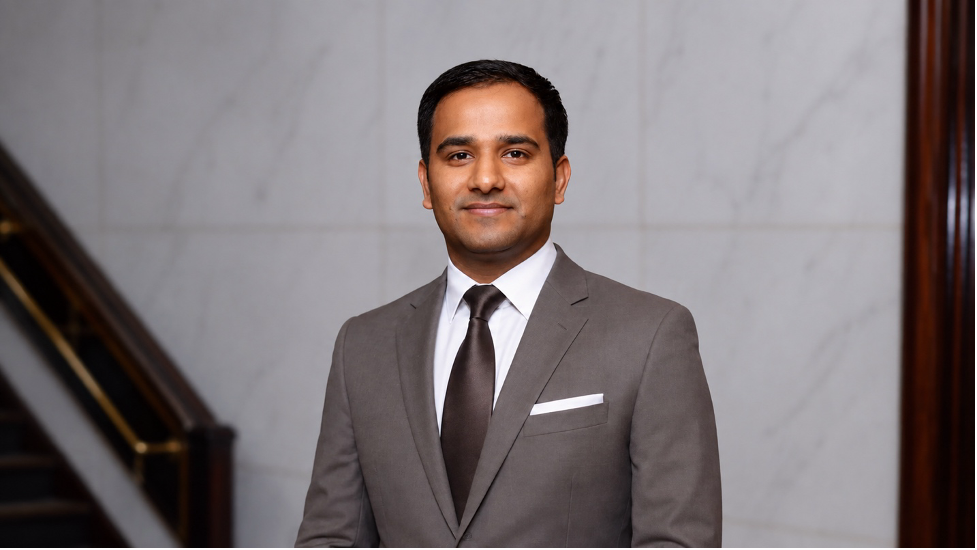
With approximately 73 million adults in the United States who are unchurched, modern religious institutions face significant hurdles in establishing sustainable congregations. The demographic shift requires organizational models that transcend traditional approaches to community building and spiritual guidance. Ashish Chauhan represents a growing class of faith leaders seeking to address these contemporary challenges through structured methodologies.
His background integrates formal theological training with corporate operational strategies to develop a new framework for urban ministry. Chauhan holds a Master of Divinity, a Master of Pastoral Care & Counseling, and has also undertaken graduate studies in Project Management, further strengthening his interdisciplinary approach to leadership and organizational development. He leveraged this combination of theological education and project management training to establish House of Presence Ministries in January 2026, a congregation based in Hempstead, New York.
The initiative aims to merge the empathetic requirements of pastoral work with the rigorous planning typical of enterprise project execution. This approach addresses broader industry trends where religious organizations increasingly rely on data-driven management techniques. These systemic adaptations ensure long-term viability in diverse metropolitan environments.
Integrating systems with pastoral work
The intersection of corporate organizational strategies and spiritual leadership provides a critical foundation for modern religious startups. Preparing and delivering a comprehensive sermon often requires extensive background work that parallels the labor of professional project managers. Chauhan applies these administrative principles directly to his congregational responsibilities to ensure efficient operations.
“Although Project Management and Pastoral Care may seem very different, I’ve found they have more in common than people realize,” Chauhan notes. Efficient resource allocation and team organization are vital components for any new community initiative. Modern churches increasingly adopt structured task frameworks containing specific actionable milestones to keep teams aligned on deadlines during the launch phase.
This structured approach allows leaders to manage operational complexities while maintaining a focus on community support. Chauhan explains, “Project Management helps me lead the ministry well, while Pastoral Care helps me shepherd people well.” Implementing formalized asset management strategies utilizing Agile methodologies ensures operational sustainability and accountability within religious organizations.
Building scalable ministry blueprints
Developing a sustainable church model requires an organized approach to congregational governance and strategic community growth. Utilizing comprehensive planning resources assists urban church plant teams in transitioning from initial launch phases to mature, independent structures. This systematic preparation supports the broader objective of fostering deep engagement rather than superficial attendance.
“The vision of House of Presence is to help people know God personally, not just know about Him,” Chauhan states. Sustainable urban church expansion increasingly relies on decentralized governance structures that distribute authority across various Home Group Fellowship leaders and ministry team coordinators. This model responds dynamically to diverse congregational contexts rather than depending entirely on centralized leadership figures.
The focus shifts toward empowering individuals to integrate their beliefs into their daily routines. According to Chauhan, “We want to disciple believers, so they become spiritually mature, live holy lives, and faithfully follow Jesus until He returns.”
Addressing urban isolation through presence
Fast-paced urban centers often leave individuals dealing with profound senses of disconnection despite being surrounded by high population densities. Creating dedicated spaces for reflection allows communities to counter the overwhelming pressures of contemporary city living.
“We live in a fast-paced world where everything changes so quickly,” Chauhan observes. Establishing environments that foster genuine connection requires a deliberate departure from rigid, rule-based interpretations of faith.
These events are curated to facilitate moments of profound realization and emotional relief for participants. “When people experience His presence, their hearts are transformed, their burdens become lighter, and they discover the freedom and purpose they were created for,” Chauhan asserts.
Structuring sustainable social justice
Effective community development within faith-based organizations necessitates a structured evaluation of how spiritual values translate into tangible public benefits. Implementing rigorous impact assessments reveals that structured programs significantly enhance participants’ ability to distinguish between basic service and systemic social justice. This conceptual clarity is essential for addressing the root causes of systemic societal issues effectively.
Chauhan emphasizes, “I believe strong communities are built on strong families, and strong families are built on God’s principles.” Implementing consistent outreach initiatives requires formalizing the delivery of support services to vulnerable populations. Programs that utilize coordinated group facilitation models can effectively demonstrate healthy relationships as part of interventions for families affected by domestic instability.
Establishing dedicated days for specific services ensures a reliable support network for residents. “My vision is to dedicate five days each month to different areas of outreach: 1 day for a food pantry to help families in need,” Chauhan outlines. Integrating spiritual and emancipatory capitals into organizational frameworks helps address both the physical and emotional requirements of community members.
Fostering genuine interfaith collaboration
Building diverse religious communities requires moving beyond superficial interactions to establish meaningful, cross-cultural dialogues. Addressing systemic divides demands both individual and collective approaches to make religious equality a reality for people living on the margins. Recognizing shared human experiences serves as the foundational step in bridging these complex ideological differences.
“At the core, every person wants to be loved, cared for, respected, accepted, and understood,” Chauhan notes. Adapting educational models to incorporate peer teaching methods through cultural circles helps impart indigenous values and fosters mutual respect. This strategy prioritizes active listening, allowing individuals to articulate their unique narratives without facing immediate theological debates.
Such an environment cultivates trust and openness among community members from various backgrounds. Chauhan explains, “When people feel heard, they become more open.” Implementing specialized training frameworks replaces traditional hierarchical supervision with student-directed, peer-based partnership models designed for cross-cultural environments.
Implementing strategic community healing
Providing effective psychological and spiritual support requires a careful balance of deep empathy and rigorous strategic planning. In complex grief counseling scenarios, utilizing structured co-facilitation models assists leaders in reading the room more effectively during interactions. This structured approach prevents unintentional harm when navigating highly sensitive personal traumas.
Chauhan reflects, “One of the greatest lessons I learned during my Pastoral Care and Counseling studies has stayed with me: never open a wound that you cannot help close.” Addressing deep histories of trauma necessitates structured intervention strategies that build trust over time rather than attempting to rush the psychological healing process. Delegating pastoral responsibilities to decentralized congregational-based services ensures that individuals receive consistent support from trained community facilitators.
Delegating pastoral responsibilities ensures that individuals receive consistent, high-quality support from trained community facilitators. “My vision is to raise mature leaders who are equipped to pray, listen well, counsel biblically, and walk alongside people with compassion and wisdom,” Chauhan states. High completion rates in community intervention programs often stem from utilizing a co-facilitation model involving a clinician and a community parent.
Adapting to dynamic urban centers
The rapidly shifting demographics of modern cities demand that faith leaders employ highly adaptable organizational models. Establishing virtual operational structures allows administrative teams to coordinate complex project management services seamlessly before launching a physical location. Understanding specific local struggles is a mandatory prerequisite for deploying relevant and effective community resources.
“Before creating programs, I want to understand what people are actually struggling with,” Chauhan explains. Contextualization frameworks help address specific cultural deficiencies and counter issues like syncretism in theological education while maintaining core organizational principles.
This operational flexibility ensures the institution remains highly responsive to sudden socioeconomic shifts. “As new needs arise, we will prayerfully develop new ways to serve,” Chauhan asserts. Leveraging digital platforms expands the reach of pastoral care beyond traditional physical boundaries and geographical limitations.
Measuring success through transformed lives
Evaluating the efficacy of a new organizational model requires identifying milestones that accurately reflect its foundational objectives. Retaining core personnel is crucial, as implementing specific training resources can impart practical skills for areas such as pastoral care. Proper onboarding protocols enhance the long-term impact and sustainability of these emerging groups.
“For me, the greatest measure of success is not numbers or programs,” Chauhan states. Public gatherings serve as initial indicators of an organization’s capacity to engage and mobilize its target demographic effectively.
While numerical attendance holds institutional value, the primary administrative focus remains on facilitating profound individual development. Chauhan emphasizes, “I want to see people discover God’s calling, mature in their faith, and become disciples who make other disciples.” By establishing a formalized public presence and utilizing accessible communication platforms, the organization sets a baseline for coordinating its administrative and spiritual expansions.
The integration of corporate project management principles with pastoral care methodologies offers a compelling blueprint for modern organizational development. As demographic shifts continue to alter the socioeconomic landscape of urban communities, faith-based initiatives must adopt scalable, structured approaches to remain effective. This synthesis of administration and empathy provides a highly sustainable model for addressing the complex challenges facing today’s diverse metropolitan populations.